
Call us now :07971549217
 Send Inquiry
 Send Inquiry
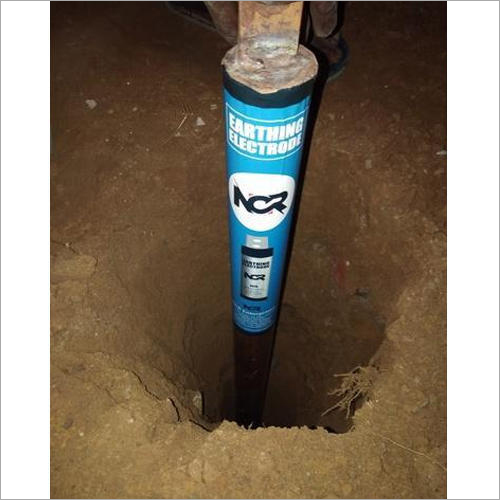
Chemical Copper Earthing Electrode
Chemical Copper Earthing Electrode Specification
- Tensile Strength
- 40,000 PSI (approximate)
- Purity
- Copper purity above 99.9%
- Life Span
- More than 30 years under proper soil conditions
- Strength
- High mechanical and electrical strength
- Diameter
- 50 mm (25 mm, 32 mm, and custom on request)
- Copper Thickness
- 250 micron (Standard, customizable up to 300 micron)
- Product Type
- Chemical Copper Earthing Electrode
- Material
- Mild Steel core with 99.9% pure copper bonding
- Application
- Industrial and residential earthing applications
- Function
- Provides low-resistance electrical grounding and dissipates fault currents safely into the earth
- Shape
- Tubular/Cylindrical
- Surface Treating
- Copper coated with anti-corrosive treatment
- Tolerance
- 2 mm in diameter, 50 mm in length
- Dimension (L*W*H)
- 50 mm x 3000 mm (Customizable as per requirement)
- Weight
- 10 to 18 kg (depending on size)
- Color
- Copper Brown
Chemical Copper Earthing Electrode Trade Information
- Minimum Order Quantity
- 10 Number
- Supply Ability
- 1000 Per Day
- Delivery Time
- 1-2 Days
About Chemical Copper Earthing Electrode
We are a noteworthy organization, actively committed towards offering a wide range of quality assured Chemical Copper Earthing Electrode. This copper electrode is considered to be the most apt equipment for Earthing purpose owing to excellent resistance to oxidization. Our offered Chemical Copper Earthing Electrode is developed with precision and available in diverse specifications as per the needs of customers within the stipulated time frame.
Product details
| Operating Current | 10 KA |
| Grade | EC |
| Copper Thickness | 20 GAUGE |
| Packing Contains | POLY PACKING |
| Shape | round |
| Length of Rod | 1000mm , 2000mm, and 3000 mm |
| Size Of Conductor | 25x3 mm |
| Usage/Application | commercial and industrial |
| Features | highly conductive |
Superior Grounding Performance
Our Chemical Copper Earthing Electrode offers optimal conductivity, enhanced by premium copper bonding and a proprietary earth enhancing compound. The smooth polished exterior reduces soil resistance, allowing effective fault current dissipation while maintaining moisture around the electrode for improved grounding stability even in challenging soil conditions.
Durability and Corrosion Resistance
Treated with anti-corrosive technology and precision copper plating, the electrode stands resilient against saline, acidic, and highly corrosive soils. Its tubular form and robust construction provide high mechanical strength and reliability, ensuring uninterrupted performance and durability for over 30 years with zero maintenance.
Flexible Installation and Traceability
Designed for both vertical or horizontal placement, the electrode fits diverse site requirements. An integrated terminal clamp ensures secure electrical connection, while laser marking with batch or serial numbers enhances traceability and guarantees quality assurance. Customization in dimensions and copper thickness is available to suit specific needs.
FAQ's of Chemical Copper Earthing Electrode:
Q: How is the Chemical Copper Earthing Electrode installed for optimal grounding?
A: The electrode is designed for both vertical and horizontal installation in a dug pit according to standard earthing procedures. The built-in terminal clamp allows easy and secure connection to earth conductors, and its smooth, polished surface helps reduce soil resistance during installation.Q: What benefits does the inner fill material provide for the electrode's performance?
A: The conductive earth enhancing compound, typically bentonite-based or equivalent, surrounds the electrode to improve soil conductivity and retain moisture, ensuring low-resistance grounding and stable dissipation of fault currents, even in dry or saline soils.Q: Where can this earthing electrode be used effectively?
A: It is suitable for industrial sites, commercial clusters, and residential premises requiring reliable grounding, especially in environments featuring high salinity, moisture variation, or harsh soil conditions. Its corrosion resistance and customizable dimensions make it adaptable to various applications.Q: What is the maintenance process for this earthing electrode?
A: The Chemical Copper Earthing Electrode is designed to be maintenance-free. Thanks to its corrosion-resistant copper bonding and moisture-retaining compounds, it operates efficiently for decades without the need for regular upkeep or chemical replenishment.Q: What is the typical process for quality assurance and traceability?
A: Each electrode is laser marked with a batch or serial number, allowing for complete traceability from manufacturing through delivery. This ensures compliance with quality standards and facilitates inventory management, particularly for project-based installations.Q: How does the electrode cope with high fault currents or lightning events?
A: Engineered for high current carrying capacity, up to 70 KA for one second, the electrode withstands repeated fault and lightning currents without degradation. Its robust structure and copper purity guarantee consistent electrical and mechanical strength.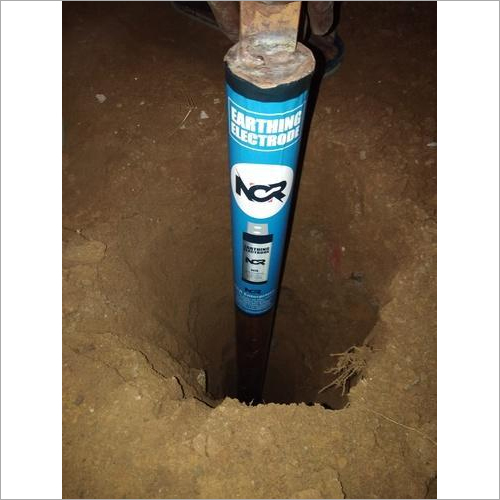
Tell us about your requirement

Price:
Quantity
Select Unit
- 50
- 100
- 200
- 250
- 500
- 1000+
Additional detail
Mobile number
Email

More Products in Earthing Electrode Category
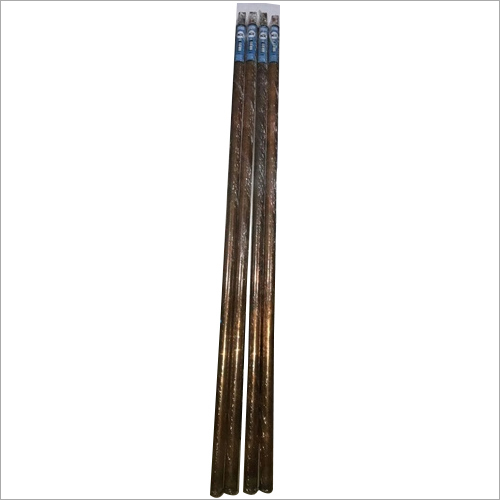
Pure Copper Earthing Electrode
Price Range 3000.00 - 20000.00 INR / Unit
Minimum Order Quantity : 10 Units
Diameter : 50 Millimeter (mm)
Material : Pure Copper
Shape : round
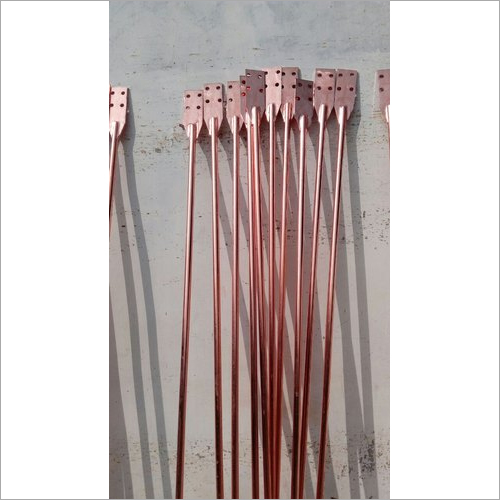
Maintenance Free Earthing Electrode
Price 10000.00 INR / Number
Minimum Order Quantity : 20
Diameter : 50 mm (standard)
Material : other, Mild Steel Pipe with Copper Bonding
Shape : Cylindrical
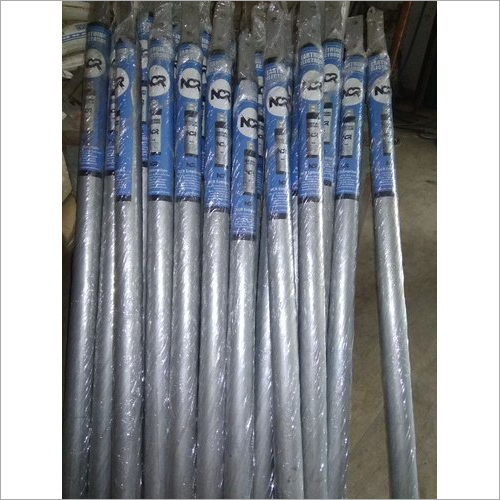
High Performance Earthing Electrode
Price Range 10000.00 - 20000.00 INR / Number
Minimum Order Quantity : 20
Diameter : 50 mm
Material : Copper Bonded Steel
Shape : Rod
Copper Pipe Earthing Electrode
Price 10000.00 INR / Number
Minimum Order Quantity : 20
Diameter : 40 to 90 Millimeter (mm)
Material : Pure Copper
Shape : Round

We are accepting only bulk quantity orders.
 Send Inquiry
Our Products

Khasra No.33, Village Sikri, Near Balaji Dharam Kanta,Faridabad - 121004, Haryana, India

Mr Ravi
(Marketing Manager)
Mobile :07971549217
 Send Inquiry
 Send SMS
Developed and Managed by Infocom Network Private Limited.
